Rock Follies (1976)
Synopsis
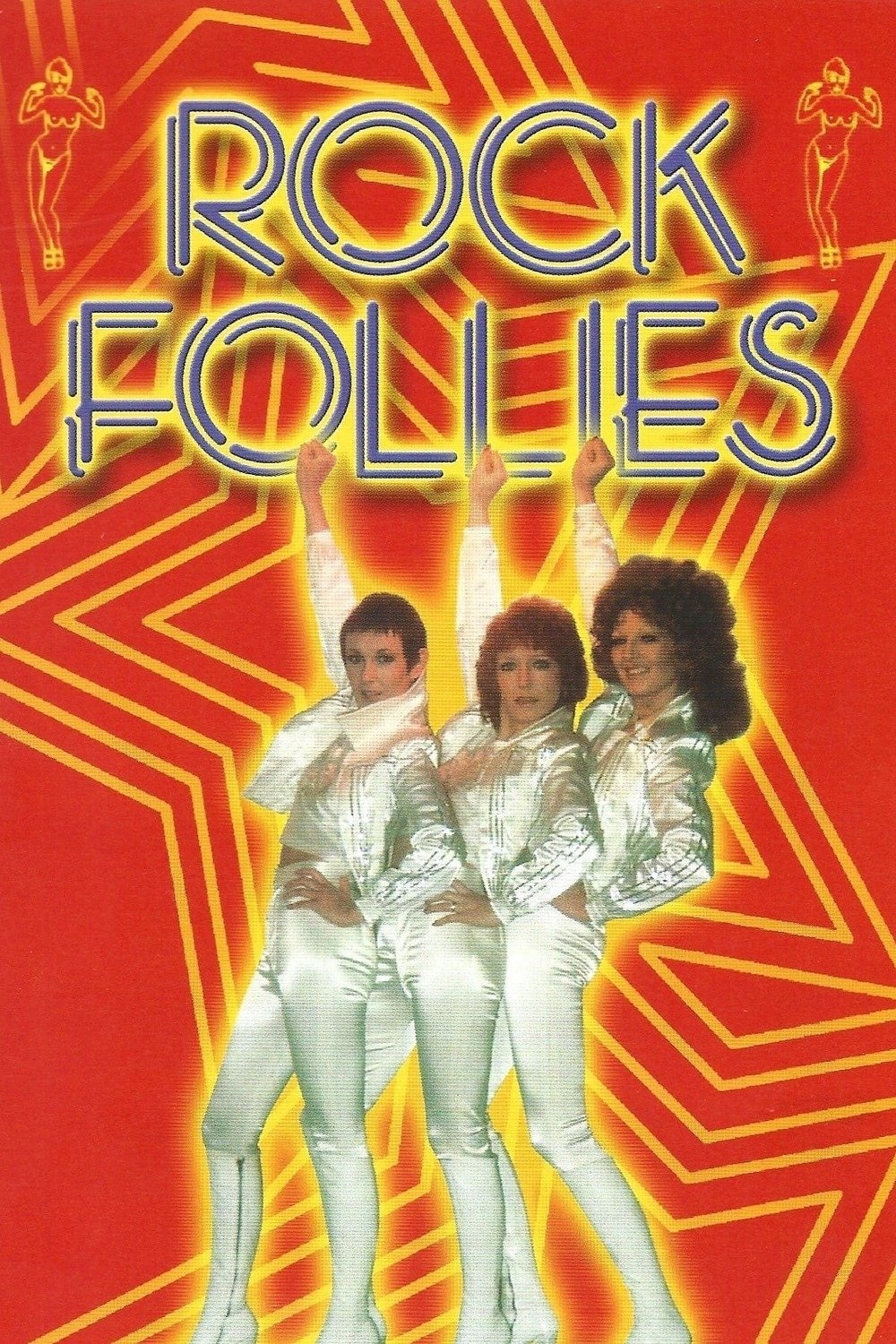
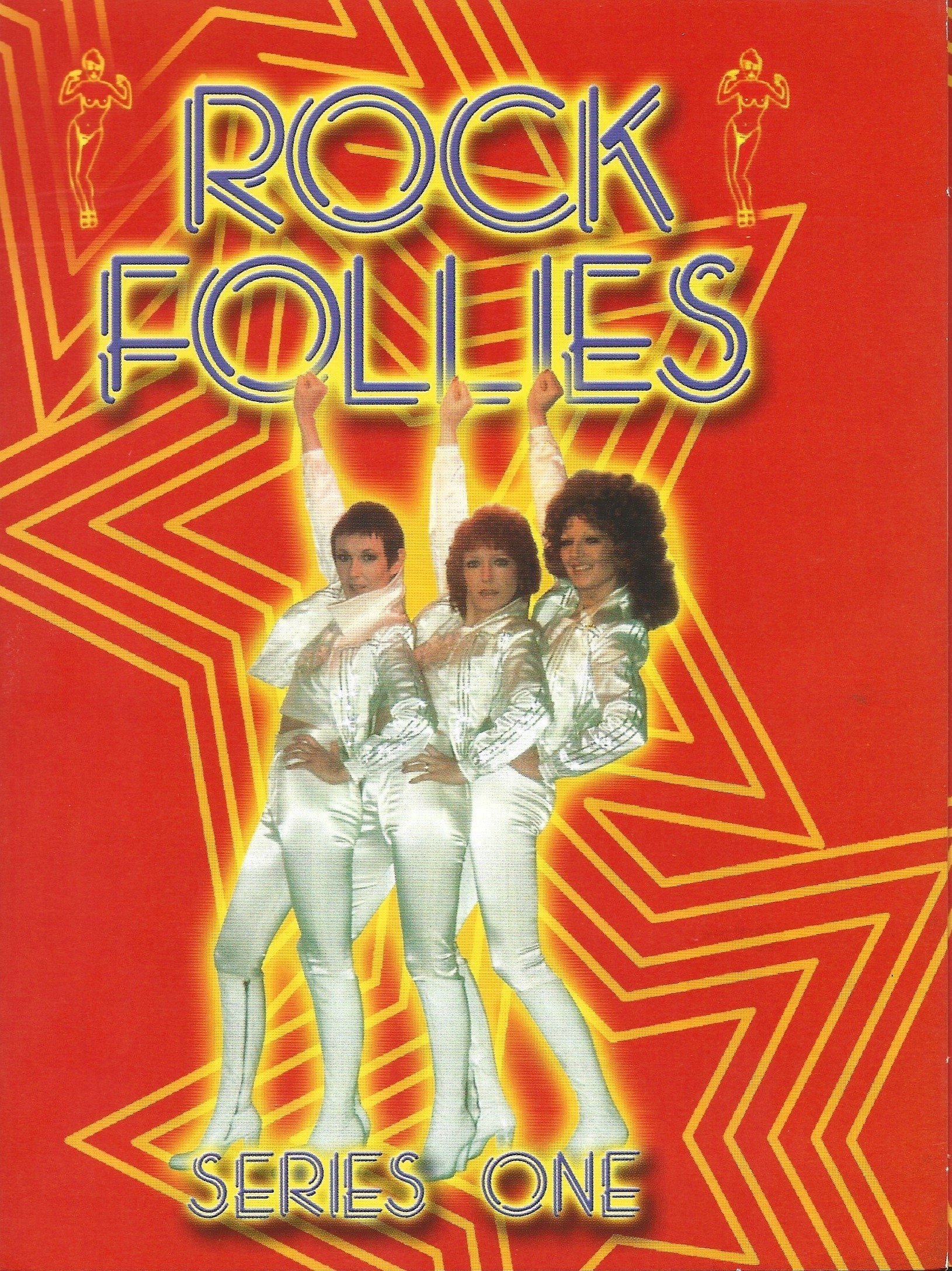
Rock Follies, and its sequel, Rock Follies of '77, was a musical drama shown on British television in the 1970s. The storyline, over 12 episodes and two series, followed the ups and downs of a fictional female rock band called the "Little Ladies" as they struggled for recognition and success. The series starred Rula Lenska, Charlotte Cornwell and Julie Covington as the Little Ladies, with support from Emlyn Price, Beth Porter, Sue Jones-Davies, Stephen Moore and Little Nell among others. The series was made with a very low budget for Thames Television, with a style inspired by fringe theatre. The series was a success, winning three BAFTA Awards and the soundtrack album reaching No.1 in the UK Charts.
First Air Date: 1976-02-24
Last Air Date: 1977-12-06
Number of Seasons: 2
Number of Episodes: 12
Created By: Gaye Brown, Don Fraser, Diane Langton, Annabel Leventon
Networks: ITV1
Top Cast
- Rula Lenska as Nancy 'Q' Cunard de Longchamps
- Julie Covington as Devonia 'Dee' Rhoades
- Charlotte Cornwell as Anna Ward
- Billy Murray as Spike
- Stephen Moore as Jack
- Emlyn Price as Derek Huggin
- Beth Porter as Kitty Schreiber
- Derek Thompson as Harry Moon
- Nell Campbell as Sandra
- Gregory Floy as David Maxwell
Seasons
Rock Follies (1976)
Follows the Little Ladies as they form, struggle for success, and deal with the predatory and manipulative side of the 1970s music business.
Episodes:
-
Ep. 1: The Show Business
A trio of struggling actresses—Q, Dee, and Anna—decide to audition for the West End play Broadway Annie, a nostalgic indulgence of its director. The show flops, despite a last-ditch effort by its producer to update it and make it raunchier. The three women, from different personalities and backgrounds, are drawn together by their shared catastrophe. The show's musical director, Derek Huggin, tells them they should form a rock band, with him as manager and songwriter.
-
Ep. 2: The Little Ladies
The band forms and begin rehearsals. Huggin seeks financial backing from some contacts, but very little is forthcoming. The three main characters' personal lives are explored, and the widespread disapproval they face from their boyfriends (and in Dee's case, her fellow commune members). The name 'The Little Ladies' is meant to be ironic — the image the band tries to project is a feisty, no-nonsense female rock act.
-
Ep. 3: The Road
The Little Ladies tour pubs, clubs and dive bars of provincial Britain. The band is still raw and often fails to live up to its adopted image of no-nonsense rockers. Despite this, the girls realise that playing in front of an audience gives them an incredible buzz, which makes all the travelling and lack of money worthwhile. It's not all plain sailing, as in some venues they receive a very hostile reception. Meanwhile, Anna has a brief affair with Derek; Q meets Nigel, a freelance rock journalist; and Dee has an admirer in the form of Dave, an audience member who becomes a sort of groupie.
-
Ep. 4: The Talking Pictures
After touring comes to an end, little progress has been made. The girls' various affairs create significant fallout with their established partners, and a fair amount of hypocrisy on their partners' parts is exposed. Finances are all but gone, so through a contact of Q's, the girls end up performing in a softcore porn film. In the meantime, Q's partner Carl has gone through a huge transformation from lazy layabout to cutthroat businessman; this is due to his meeting Greek entrepreneur Stavros, who has decided to manufacture his surfboard design. Carl talks the girls into meeting Stavros, who he thinks may be the answer to their financial problems. Anna's boyfriend Jack is discovered in bed with one of Dee's commune girls.
-
Ep. 5: The Pounds Sterling
Stavros agrees to take on the girls, and they sign a contract with him. Almost immediately, he changes their image to 1920s-style cabaret singers, far from their previous rock image. The girls regret the decision, but are unable to break the contract without ruining themselves. When Derek too voices his complaints, he is sidelined; image consultants, choreographers and a new songwriter are drafted. The girls appear as a light cabaret act at Stavros's club, Idols.
-
Ep. 6: The Blitz
Stavros decides that another radical change of image is called for: this time, a pastiche of The Andrews Sisters. The 1920s are out and the 1940s are in. He conceives of a new venue called The Blitz, which almost entirely reproduces the London underground during WWII. The girls dress as WAAF officers to perform. Meanwhile, the commune is crumbling due to a power struggle between Jack and the original leader. In a heated argument, it turns out that despite his supposed socialistic ideals, the founder is merely another capitalist landlord. This revelation seals the fate of the now completely disillusioned commune.
Trailers & Videos
Images & Backdrops
Posters
Where to Watch
No watch providers found for this movie in TW.