Paper Tiger Television (1981)
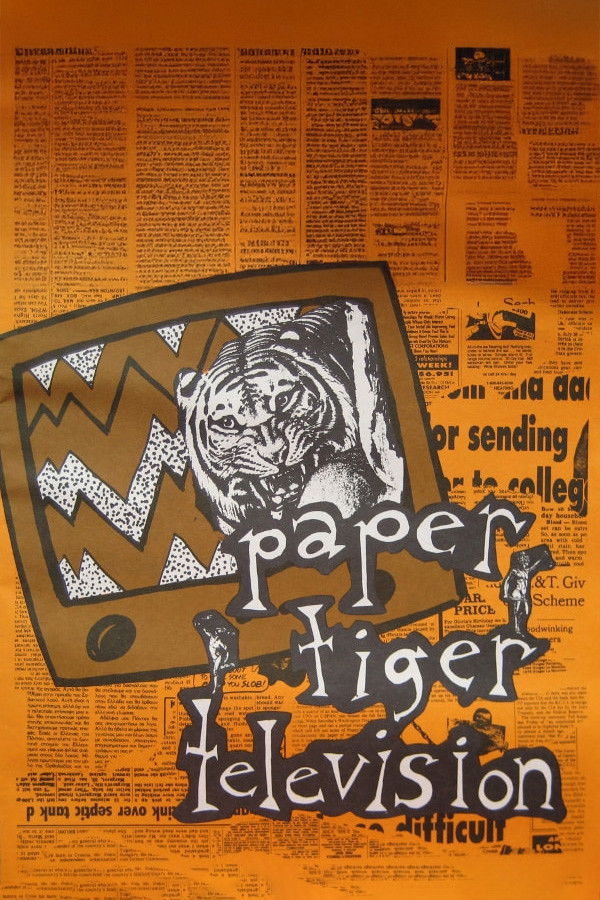
Synopsis
Paper Tiger Television is a public-access television series created in 1981 by a New York–based media collective led by DeeDee Halleck. Produced with a low-budget, do-it-yourself aesthetic, the series features artists, scholars, and activists critically examining mainstream media, often by analyzing newspapers, magazines, or television content on camera. Distributed through public-access channels and grassroots networks, the program became an influential example of alternative media, promoting media literacy and challenging corporate control of information.
First Air Date: 1981-01-01
Last Air Date: 2004-01-01
Number of Seasons: 1
Number of Episodes: 25
Created By: DeeDee Halleck
Seasons

Season 1 (1981)
No overview available for this season.
Episodes:
-
Ep. 1: Herbert Schiller Reads The New York Times: The Steering Mechanism of the Ruling Class
Media scholar Herbert Schiller analyzes The New York Times, examining how its structure and content shape political and cultural narratives.
-
Ep. 2: Natalie Didn’t Drown: Joan Braderman Reads The National Enquirer
Joan Braderman critiques tabloid journalism through The National Enquirer, focusing on sensationalism and narrative construction
-
Ep. 3: Stuart Ewen Reads The New York Post: Fantasy, Morality and Authority
Stuart Ewen examines The New York Post, analyzing its presentation of morality, authority, and popular culture.
-
Ep. 4: Bill Tabb Reads U.S. News & World Report: Disrobing the Economy
Economist Bill Tabb critiques economic reporting in U.S. News & World Report, focusing on how financial narratives are framed.
-
Ep. 5: Tuli Kupferberg Reads Rolling Stone: Always Smile When You Give ’em the Shaft
Poet Tuli Kupferberg analyzes Rolling Stone, examining its political positioning and cultural messaging.
-
Ep. 6: Martha Rosler Reads Vogue: Wishing, Dreaming, Winning, Spending
Artist Martha Rosler critiques Vogue, focusing on consumer culture, gender roles, and advertising imagery.
-
Ep. 7: Archie Singham Reads Foreign Policy: A Look at the Old Boy’s Network
Archie Singham examines Foreign Policy magazine, analyzing its perspectives on global power and elite networks.
-
Ep. 8: Joel Kovel Reads Life Magazine: It’s a New Life, Painting a Corpse
Joel Kovel critiques Life magazine, exploring how it constructs narratives of American life and social reality.
-
Ep. 9: Stanley Aronowitz Reads The New York Times: A Timely Look at Labor
Stanley Aronowitz analyzes labor coverage in The New York Times, focusing on representation of workers and unions.
-
Ep. 10: Elayne Rapping Swoons to Romance Novels
Elayne Rapping examines romance novels, exploring their themes, audience, and cultural significance.
-
Ep. 11: Richie Perez Watches Fort Apache: The Bronx
Richie Perez critiques the film Fort Apache, The Bronx, focusing on its portrayal of urban communities and policing.
-
Ep. 12: Patty Zimmerman Reads Variety: Hooray for Hollywood
Patty Zimmerman analyzes Variety, examining the film industry’s trade press and its framing of Hollywood.
-
Ep. 13: Pearl Bowser Looks at Early Black Cinema: The Legacy of Oscar Micheaux
Pearl Bowser explores early Black cinema through the work of Oscar Micheaux, examining its historical significance.
-
Ep. 14: Renee Tajima Reads Asian Images in American Film: Charlie Chan Go Home!
Renee Tajima critiques representations of Asian Americans in film, focusing on stereotypes such as Charlie Chan.
-
Ep. 15: Marc Crispin Miller Reads Cigarette Ads: Lots More Ifs, Ands & Butts
Marc Crispin Miller analyzes cigarette advertising, examining persuasive techniques and cultural messaging.
-
Ep. 16: Jean Franco Reads Mexican Novelas: Adiós Machismo! Hola Maquilladora
Jean Franco examines Mexican popular literature, analyzing gender roles and cultural narratives.
-
Ep. 17: Flo Kennedy Reads U.S. Press on South Africa: The Hair in the Milk
Flo Kennedy critiques U.S. media coverage of apartheid South Africa, focusing on omissions and framing.
-
Ep. 18: Noam Chomsky Reads The New York Times: Seeking Peace in the Middle East
Noam Chomsky analyzes The New York Times’ coverage of the Middle East, examining language and political framing.
-
Ep. 19: Thulani Davis Asks, Why Howard Beach?: Racial Violence and the Media
Thulani Davis examines media coverage of racial violence, focusing on the Howard Beach incident.
-
Ep. 20: Donna Haraway Reads The National Geographic on Primates
Donna Haraway critiques National Geographic’s portrayal of primates, exploring scientific narratives and ideology.
-
Ep. 21: Born to Be Sold: Martha Rosler Reads the Strange Case of Baby S/M
Martha Rosler examines media coverage of a high-profile custody case, analyzing themes of commodification and morality.
-
Ep. 22: Fred Landis Reads The Washington Times: The Dark Side of the Moonie
Fred Landis analyzes The Washington Times, focusing on its ownership and ideological influence.
-
Ep. 23: Protest + Education Can Equal Change (featuring Kathy High)
This program documents activist strategies combining protest and education to promote social change.
-
Ep. 24: The Last Graduation: The Rise and Fall of College Programs in Prison
The film examines the development and dismantling of higher education programs within U.S. prisons.
-
Ep. 25: Class Dismissed (featuring Howard Zinn and James Loewen)
Historians Howard Zinn and James Loewen critique the teaching of American history, focusing on omissions and narrative bias.
Trailers & Videos
No trailers or videos found.
Images & Backdrops
Posters
Where to Watch
No watch providers found for this movie in TW.